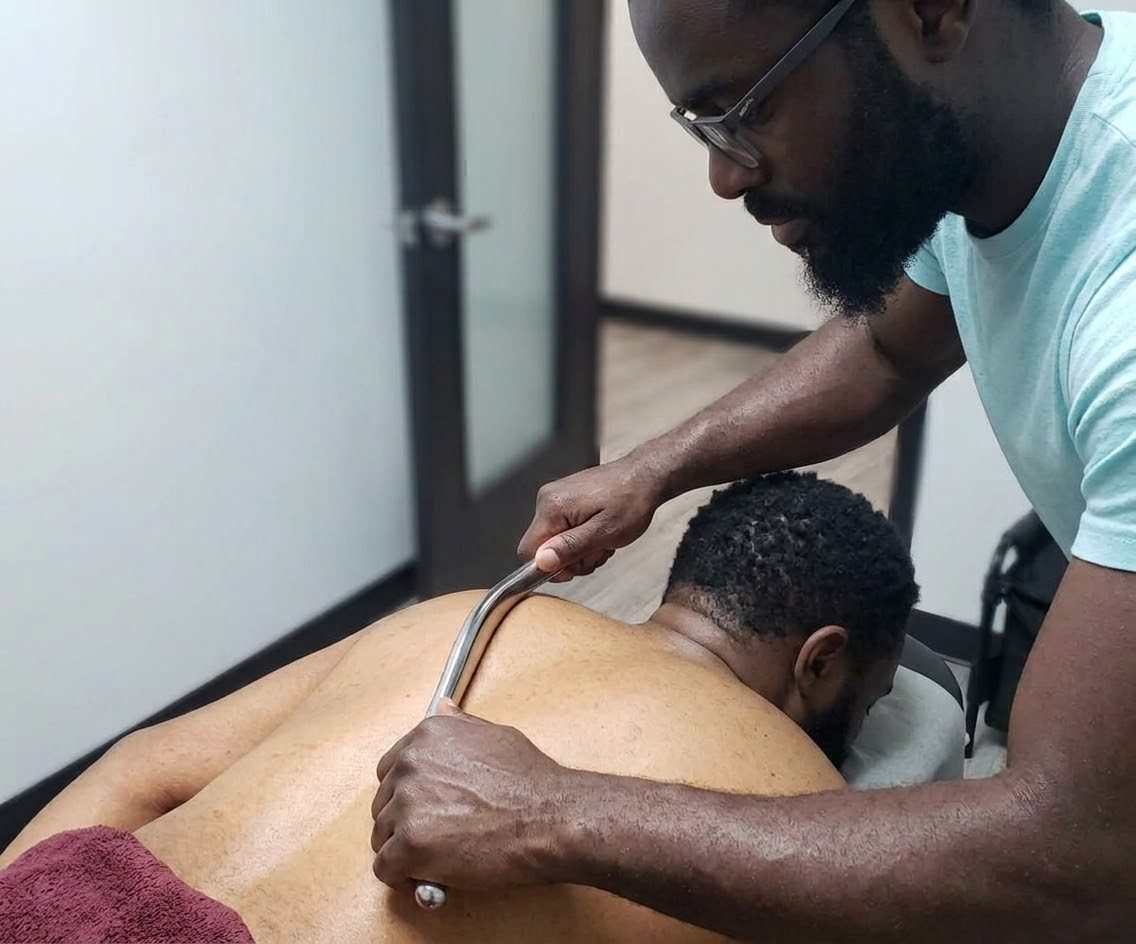
+ Graston
Add-on +$25
Tempering loosens the big muscles. Graston then zeroes in on the stubborn spots, like elbows, knees, shins and Achilles.
Most people have never heard of body tempering. Here's everything you need to know: what it is, how it feels, who it's for and what to expect.
Starting at $55 · In-studio in Royersford or mobile
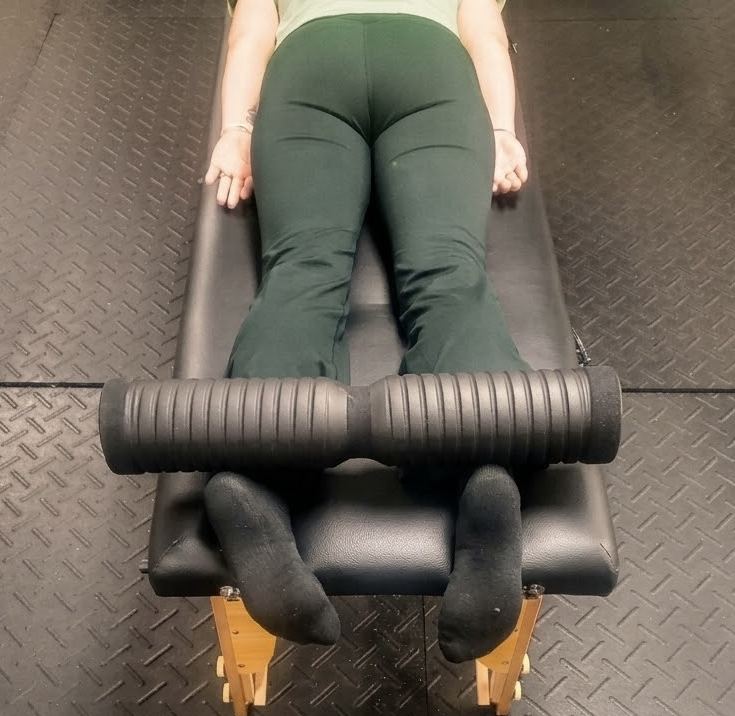
Body tempering uses weighted, smooth rollers placed across large muscle groups like the hamstrings, quads, calves, glutes and back. The roller's weight sinks slowly into the muscle, applying broad, even pressure, while I guide it, adjust it and work around it.
As a licensed massage therapist, I use specific techniques with the rollers to work broad areas or zero in on individual knots and trigger points. It does the job of deep tissue massage, just with tools.
It started in the strength world as a way for heavy lifters to recover from brutal training. Today it's used by athletes and hard-working people of all kinds who want deep, effective work while staying clothed.
It's also why most recovery studios don't offer it. It isn't a machine you sit in. It needs a trained, licensed set of hands to do safely and well.
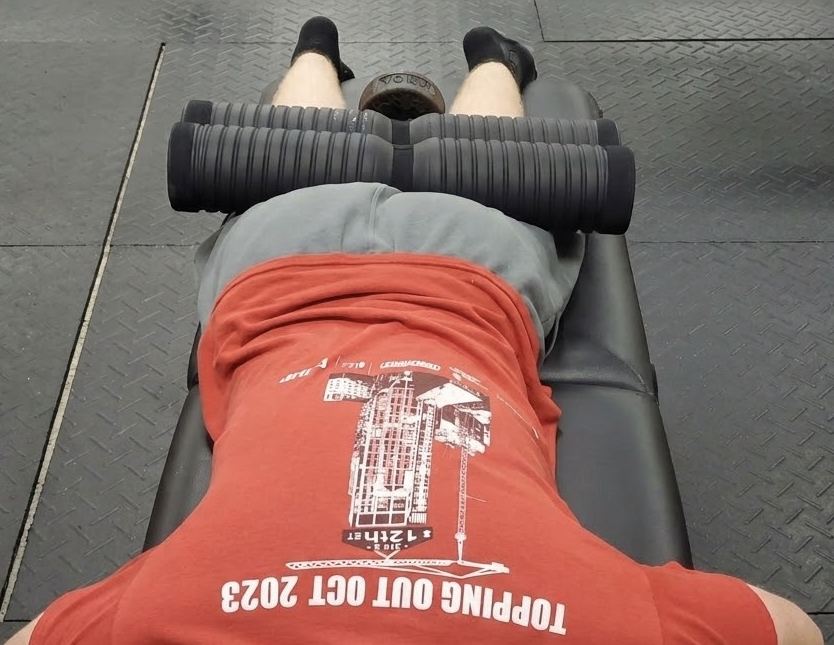
No undressing, no oil, no table drape. Wear comfortable athletic clothes and you're ready.
Work a whole muscle group at once, or focus right on the knot that's bothering you.
Large muscle groups get worked thoroughly, so you leave feeling it from head to toe.
The equipment is portable, so I can bring it to your home, gym, station or event.
When pressure comes in too fast, muscles tend to tense up to protect themselves. That guarding is what makes deep work feel like a battle.
A heavy roller does the opposite. The weight settles in slowly and steadily, giving your body time to relax into it instead of pushing back. That's how body tempering reaches deep without the fight.
Because I guide the rollers by hand, I can change the angle, the position and how much weight you feel at every point, from broad pressure across a whole muscle to focused work on a single knot. It stays intense but always controlled.
Same basic idea. A completely different level.
| Body Tempering | Foam Rolling | |
|---|---|---|
| Pressure | Heavy and precisely controlled | Limited by your own body weight |
| Targeting | Broad muscle groups or specific knots and trigger points | Hard to find and stay on the right spot |
| Technique | Applied by a licensed massage therapist | Guesswork on your own |
| Your effort | None. You lie back and relax. | You hold yourself up and do all the work |
| Depth | Reaches deep, dense muscle | Often stays on the surface |
Add any of these to a body tempering session to target exactly what you need.
Add-on +$25
Tempering loosens the big muscles. Graston then zeroes in on the stubborn spots, like elbows, knees, shins and Achilles.
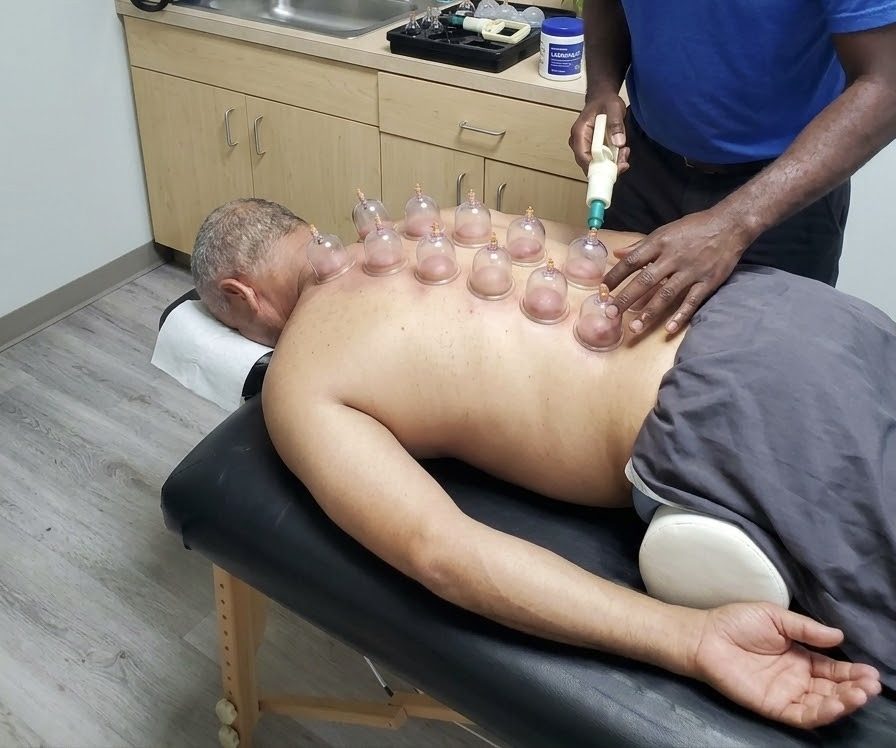
Add-on +$25
Pressure plus lift. Cupping releases tight backs, shoulders and hips from a different angle than the rollers.
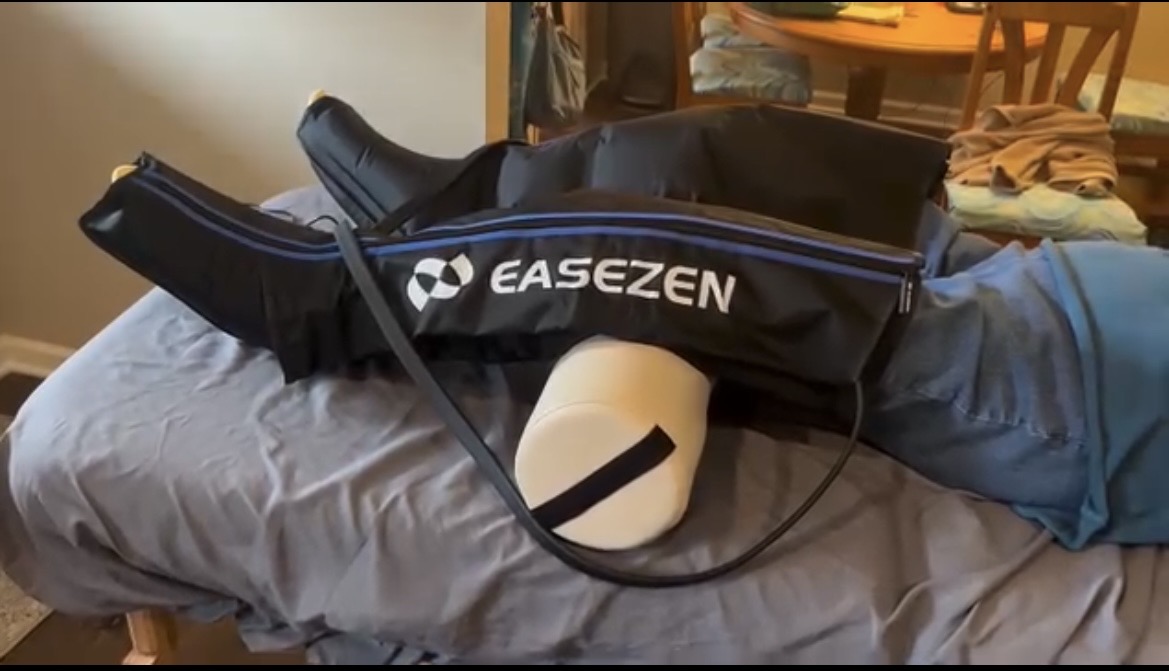
Add-on from +$15
Finish with compression boots for legs that feel light and fresh. A favorite after leg day, races and long shifts.
We talk through your health history, training, work and anything that's bothering you.
You lie on the table in your regular athletic clothes.
Rollers are placed and guided over the muscles that need it, with pressure adjusted to you the whole time.
Expect to feel loose and lighter. Drink water, move easy, and notice how you feel the next day.
It's especially popular with people who find regular massage "not deep enough," people who don't love undressing for a massage, and anyone who needs to fit recovery into a packed schedule.
See who I work with →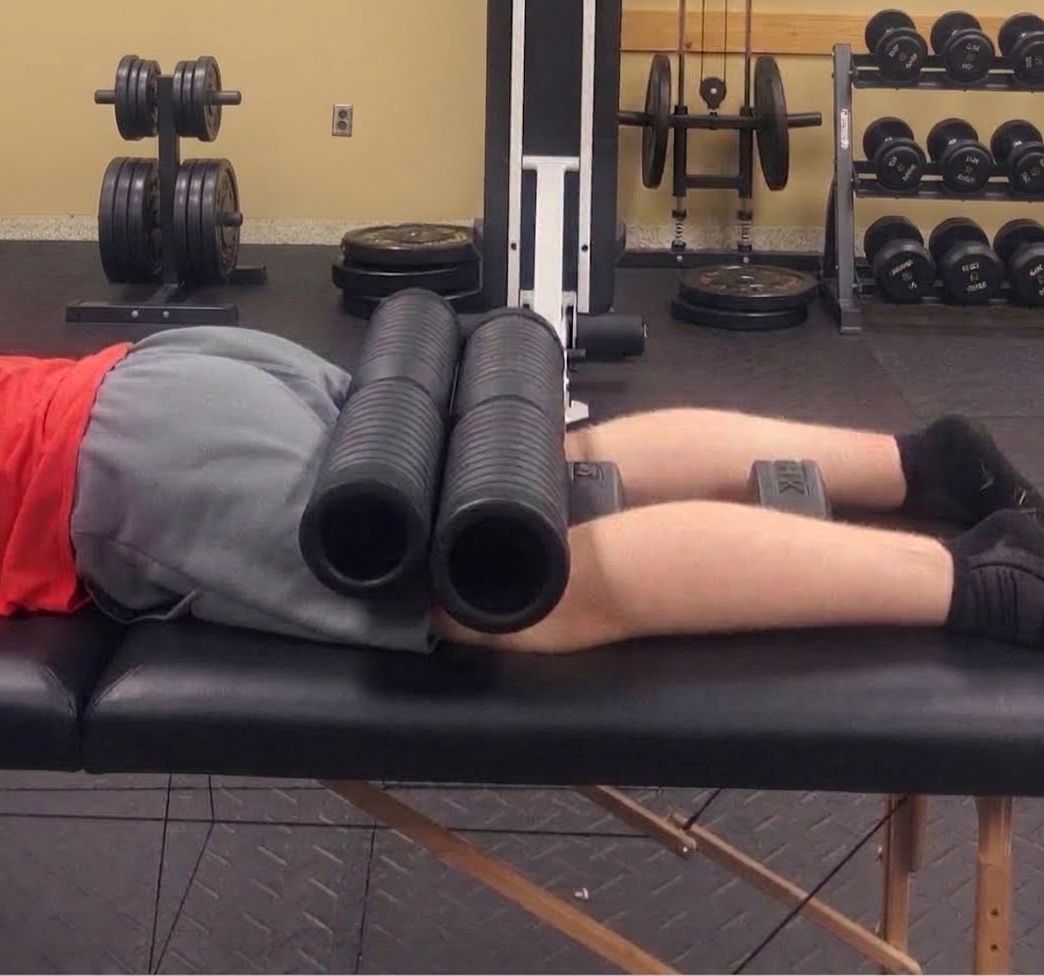
It's intense, but it shouldn't feel sharp or unbearable. Most people describe it as a deep, heavy pressure that feels "good-hard." You're in control the whole time, and I adjust the weight and placement to you.
Comfortable athletic clothes, like shorts or joggers and a T-shirt. Thin fabrics work best. No need to undress.
A massage uses hands, forearms and elbows directly on the skin. Body tempering uses heavy rollers through your clothes. With the right technique, the rollers can do the same deep and specific work, from whole muscle groups down to individual knots, and many clients combine the two in one session.
For most healthy adults, yes. It isn't right for everyone, though. Tell me if you have a recent injury or surgery, a history of blood clots, take blood thinners, have osteoporosis, are pregnant, or have any condition your doctor is monitoring. I screen everyone at check-in and will adapt the session or refer you to your provider when that's the better call.
It depends on your training, your job and how you feel. Some people come in during heavy training blocks, others before big events, and some make it a regular part of their routine. We'll figure out what makes sense for you.
Yes. Everything is portable. I see clients in-studio in Royersford and travel to homes, gyms, stations, clubs and events across Montgomery County, Chester County and the Greater Philadelphia area.
What hurts, what you're training for, or what your job is doing to you. I'll tell you straight whether this is the right fit.